Snorkeling Tours: The Complete Guide
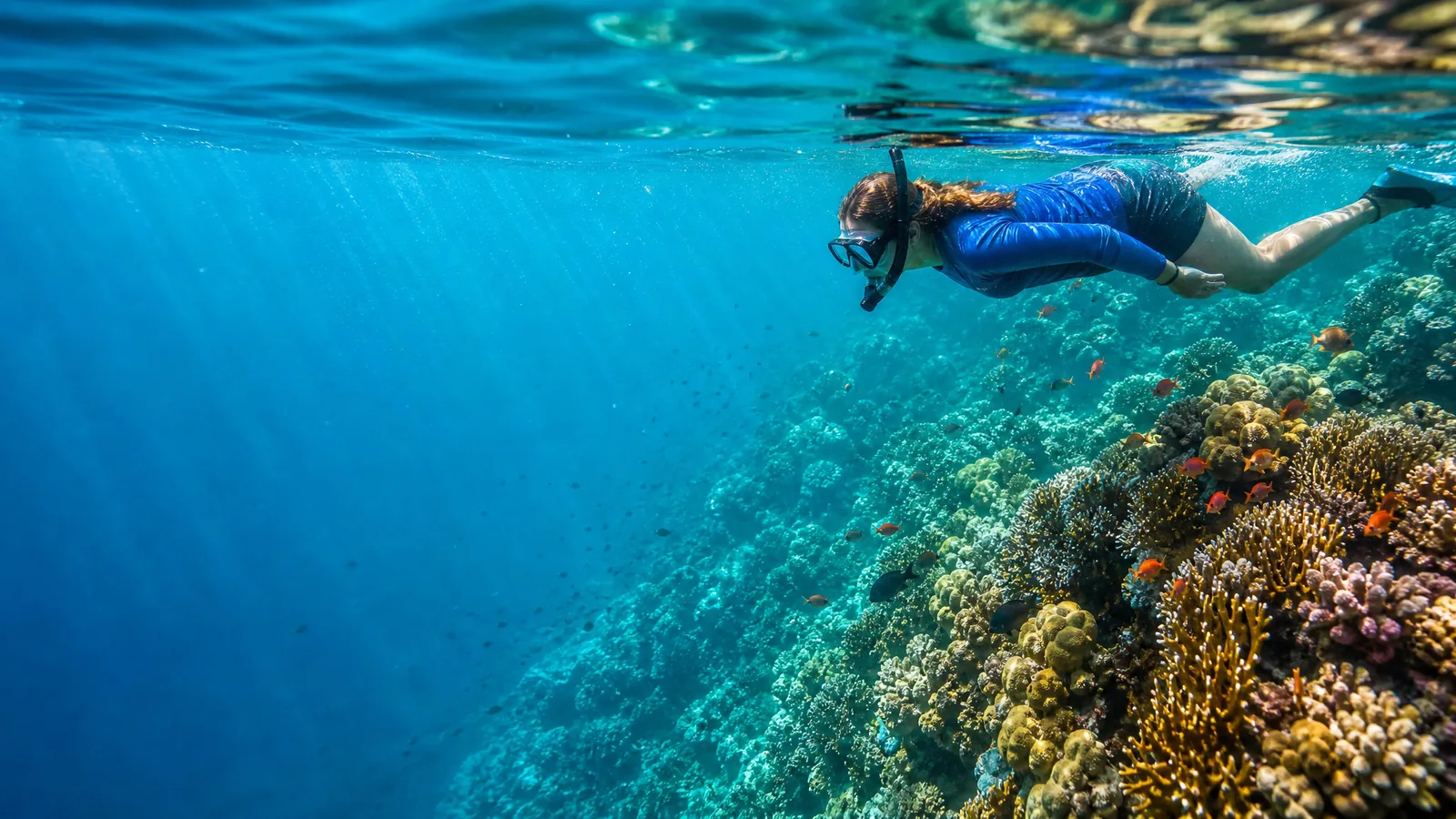
In short: snorkeling is low-risk when it’s guided, and the right tour makes it safe for almost anyone — including people who can’t swim well. This guide covers how to judge whether a tour is safe for you, what to do if you can’t swim, what actually happens in the water, and the six tours I send people to worldwide.
Most people who search “snorkeling tours” are quietly nervous. The big questions aren’t about logistics — they’re about fear. Can I do this if I can’t swim well? How risky is snorkeling, really? What if I panic? The honest answer: snorkeling is low-risk if guided, and the right tour makes it safe for almost anyone. Here’s how to judge whether a tour is safe for you, and what to expect when you get in the water.
How to judge whether a tour is safe for you
Snorkeling is low-risk but not zero-risk. The real danger is drowning, and it’s usually linked to panic, rough water, exhaustion, snorkeling alone, or an undiagnosed heart condition — not to being a weak swimmer. A guided tour lowers risk sharply if it has these four things: (1) a guide in or near the water, (2) flotation offered (life vest or pool noodle), (3) a calm sheltered site, and (4) no one swimming alone. Every tour on this site provides these. Hawaii records more snorkel-related fatalities than any other US state, and research has linked many to a phenomenon called Rapid Onset Pulmonary Edema (ROPE) and to older visitors with cardiac issues. Always frame the numbers honestly: if you have serious heart or lung conditions, seek medical clearance first. No one should snorkel under the influence of alcohol, and note that the tours we feature serve alcohol after, not before, snorkeling.
Non-swimmers and flotation: what actually works
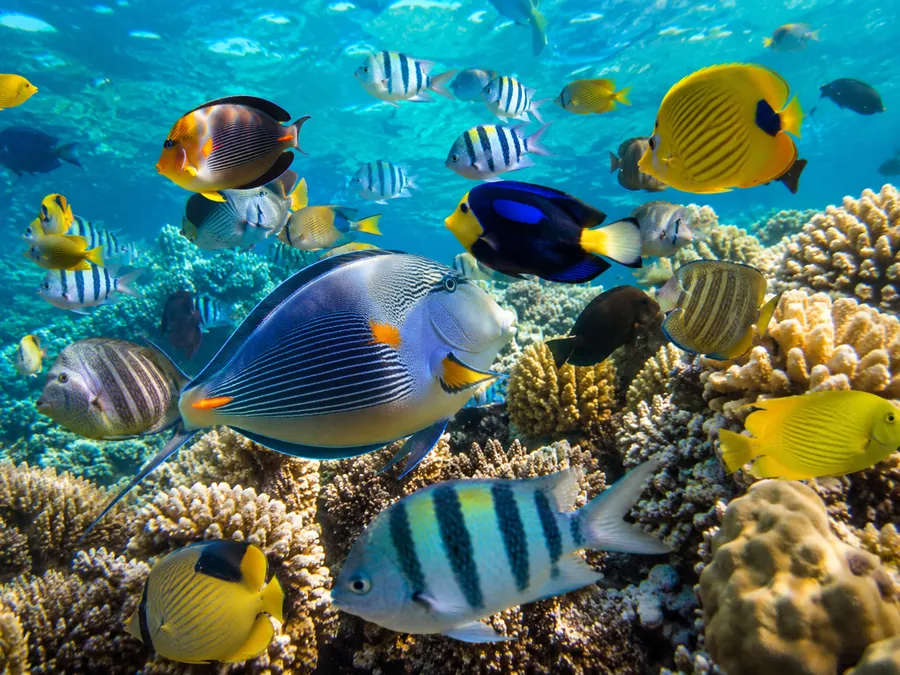
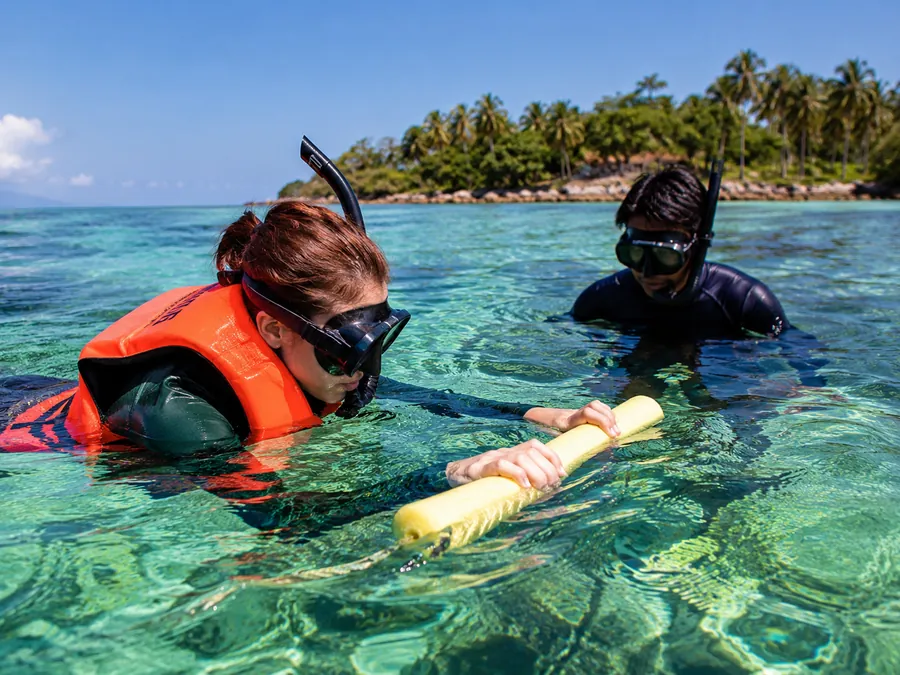
You can snorkel without being a strong swimmer if you use a flotation device, stay in shallow calm water, and go with a guide. A life vest or pool noodle keeps you at the surface with zero effort. Panic almost always comes from the first breaths through the snorkel. Fixes: practise face-down in shin-deep water first (your bathtub counts), keep a float under your chest, breathe slow through your mouth, and lift your head any time you want. You are allowed to stop. For someone genuinely afraid of the water, the Cozumel glass-bottom boat is the honest answer — you watch the reef through the glass and never have to enter the water. Silfra in Iceland is the exception: its drysuit tour needs a confident swimmer and has height, weight and age limits; it is not a beginner-friendly option for people who don’t swim well.
What you actually do on a snorkel tour, minute by minute
Here’s the sequence every time. You arrive at the meeting point, get a safety briefing, check your mask fit, and learn how the snorkel works. All of this is slow and deliberate because guides know that confidence comes from understanding. Then the guide offers flotation (life vest or pool noodle) — most nervous swimmers say yes. The guide enters the water first, then leads swimmers to the reef. You stay together. Depending on the tour, you’ll spend 30 minutes to two hours on the reef. The guide stays close, points out fish and coral, and watches for signs of panic or exhaustion. Then everyone heads back aboard for a warm drink — hot chocolate, coffee, or cold beer depending on the location and tour. You change, dry off, and reflect on what you just saw. The whole tour takes 3 to 8 hours depending on whether it’s a half-day or full-day. Most of that time is logistics (briefing, travel, gear, decompression) rather than actual time in the water.
Where we send people: the six tours
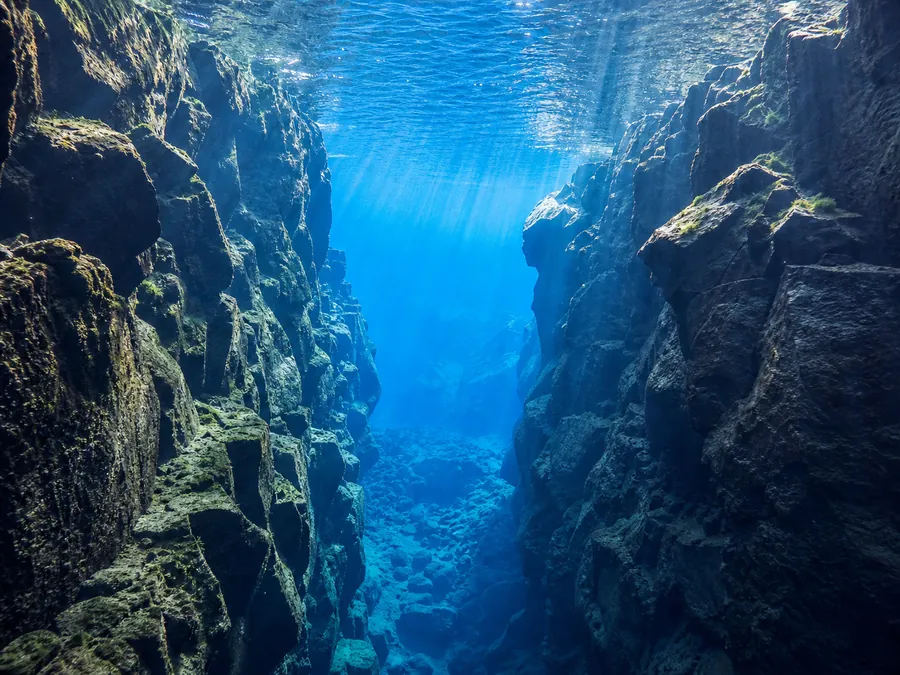
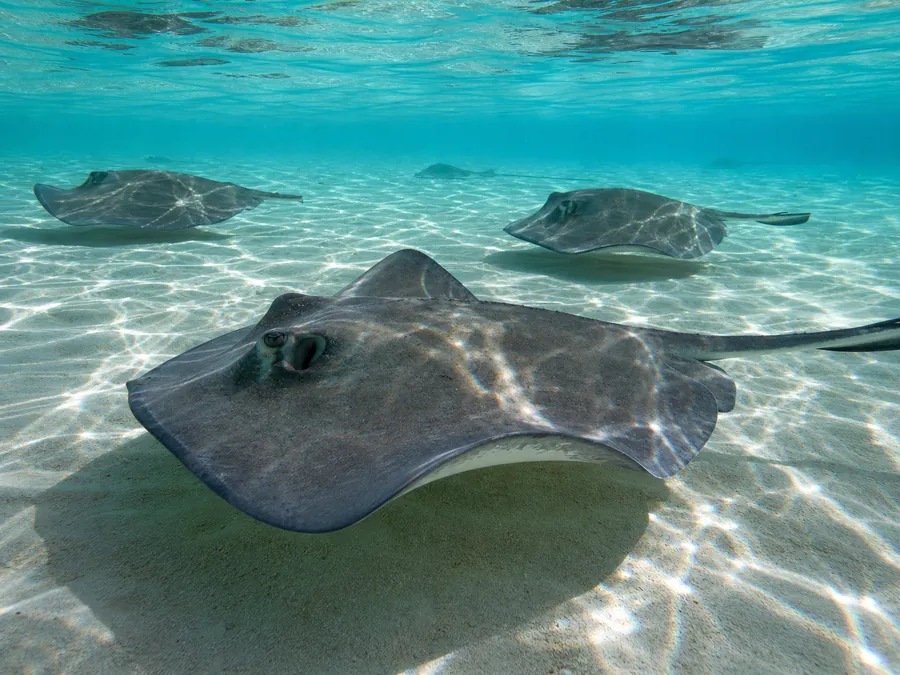
We feature six guided snorkeling tours worldwide. The Great Barrier Reef full day from Cairns ($139, 4.6 stars) is the top pick for confident swimmers — lunch included, guides in the water. The Key West reef ($35, 4.3 stars) is the cheapest way onto a real reef, though the boat and reef can get crowded. Silfra in Iceland ($145, 4.7 stars) is once-in-a-lifetime: you float between tectonic plates in glacial water so clear you can see over 100 m, but you need to be a confident swimmer and it’s cold. The Cozumel glass-bottom boat ($350 per group, 4.6 stars) is the honest answer for non-swimmers and mixed-group family days — you watch the reef through the glass. The Cancún Isla Mujeres catamaran ($89, 4.4 stars) is a party-boat day out with good value (food and drinks included), though the snorkel stop is short. Bora Bora ($120, 4.9 stars) is highest-rated: you swim with stingrays and tropical fish in shallow turquoise water, guides emphasise safety, and it’s best May to October.
Gear and reef-safe sunscreen
Mask, snorkel and fins are provided on all these tours. Wetsuits or drysuits are noted where relevant (Silfra is drysuit-only; a rash guard or shorty helps elsewhere for sun and jellyfish sting protection). Wear or bring a rash guard for sun and stings, reef-safe sunscreen (ban oxybenzone — many reefs prohibit oxybenzone sunscreens), and a defogged mask. Don’t wear jewellery. There’s no strong evidence that swimsuit colour meaningfully changes shark risk on a guided reef snorkel, but shiny high-contrast items and bright “yum-yum” yellow can draw curious fish. Tipping varies by location: on US and Caribbean boat crews, 15–20% or $5–20 per person is customary. Tipping is not expected in Iceland. Popular reef days (Great Barrier Reef, Bora Bora) sell out in high season, so book a few days ahead. Morning generally means calmer water, better visibility and fewer crowds.
The bottom line
Snorkeling is low-risk if guided. Pick the tour that fits your nerve level and budget. If you’re nervous, start with calm shallow water and flotation. If you panic, lift your head and breathe; you are allowed to stop. Most people who book a guided tour and show up prepared leave the water smiling. We turn an anxious searcher into a confident booker by telling the truth: snorkeling is safe for almost anyone when you’re guided, in the right place, with the right flotation, and time to get comfortable. That’s what these six tours do.
Where to start
If nerves are the issue, read is snorkeling safe and snorkeling for non-swimmers first. When you’re ready to book, compare everything on the all-tours page or check what a tour costs. Live availability for the flagship Great Barrier Reef trip is below.
Frequently asked questions
Can I snorkel if I can't swim?
Yes, on the right tour — with a life vest or pool noodle, calm shallow water and a guide, you float at the surface with no effort. A glass-bottom boat even lets you see the reef without getting in. Full detail on the non-swimmers page.
How much does a snorkeling tour cost?
Half-day Caribbean trips run about $40–65, full-day reef trips $120–150, and our tours span $35 (Key West) to $145 (Silfra). See the full breakdown on the cost page.
Which snorkeling tour is best?
It depends on your nerve and your budget. My ranked picks are on the best snorkeling tours page; Bora Bora rates highest, Silfra is the once-in-a-lifetime, and Key West is the cheapest way onto a real reef.