Is Snorkeling Safe?
What the science says
Hawaii records more snorkel-related fatalities than any other US state. Research and news reports have linked many of these to a phenomenon called Rapid Onset Pulmonary Edema (ROPE) — a sudden fluid buildup in the lungs — and to older visitors with undiagnosed cardiac issues. ROPE can happen to anyone, but it is rare and tied to specific conditions: cold water, sudden immersion, anxiety, or exertion on a full stomach. The point is this: drowning happens, but it is not random.
Why panic is the real risk
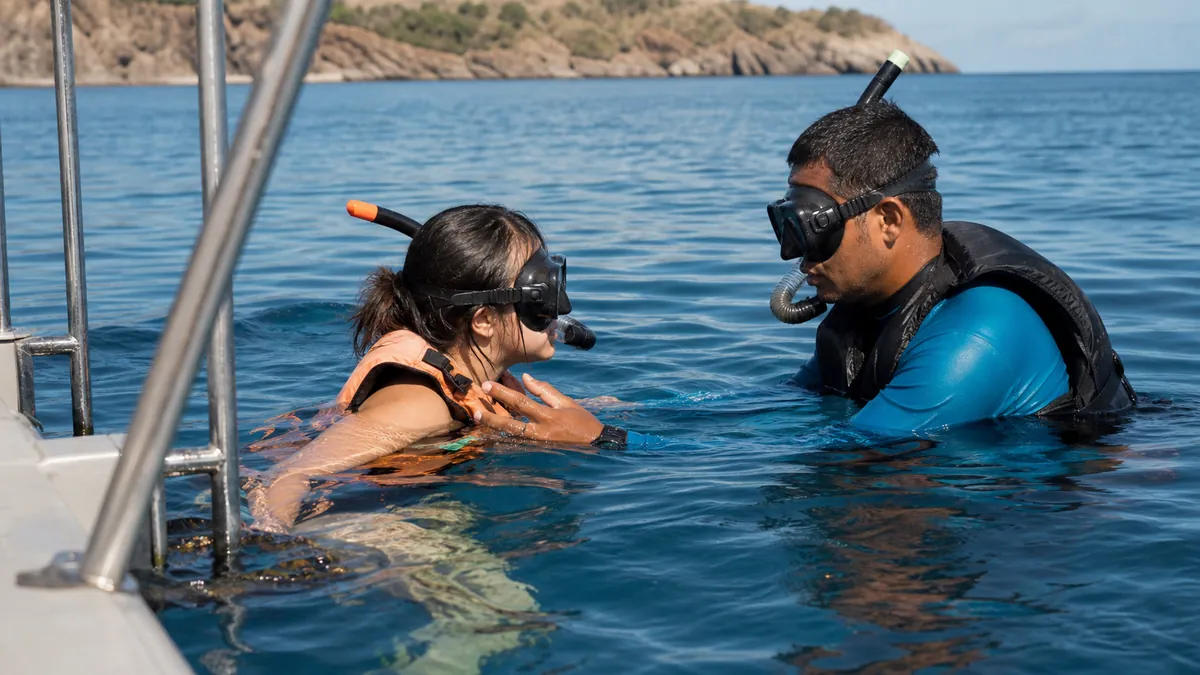
I have pulled panicking swimmers back to the ladder. Panic almost always starts the same way: the first breath through the snorkel feels like breathing through a straw, water touches the face, and the brain says "I cannot breathe." Your heart rate spikes, you thrash, you inhale water. The swimmer was fine five seconds before. The difference is psychological, not physical. A calm mind and a guide who has seen this a hundred times makes the difference between a fix and an incident.
Drowning risk is higher when
- You are alone (always snorkel with a guide or a partner).
- The water is rough or murky (a guided tour picks a protected reef).
- You snorkel under the influence (our tours serve alcohol after, not before).
- You have an undiagnosed heart or lung condition (disclose before booking).
- You ignore flotation and try to prove you can hold your own (take the float; it saves lives).
How a guided tour lowers risk
Every tour on this site includes guides trained to spot trouble and flotation (life vests, noodles, or in the case of the Cozumel glass-bottom boat, no entry required). A guide in the water watches your breathing and your body language. A calm, sheltered site means smaller waves and better visibility. Free cancellation means you can back out if conditions change. The Cozumel glass-bottom option lets nervous swimmers see the reef without ever entering the water.
Who should not snorkel without medical clearance
- Anyone with serious heart or lung conditions (ask your doctor first).
- Anyone under the influence of alcohol or drugs.
- Anyone with recent chest pain, shortness of breath, or unexplained fatigue.
Always disclose relevant health history when booking. Guides need to know.
The honest risk profile
You are at higher risk driving to the tour than during the tour itself. Snorkeling with a guide on a calm protected reef is safer than swimming at a beach. The people who get into trouble are usually the ones ignoring flotation, panicking, or snorkeling alone in rough conditions. A guided tour designed for nervous first-timers — like the ones on this site — is one of the safest water activities you can do.
If you have ever panicked in water, or if you get anxious in confined spaces, tell your guide when you arrive. The best guides expect this and know how to talk you through it.
Book a guided tour with flotation offered
The safest option is a guided tour on a calm reef with a guide nearby and flotation available. All our tours include these basics.
Frequently asked questions
Is snorkeling dangerous?
No more than swimming. The real danger is drowning, which is usually tied to panic, rough water, being alone, or an undiagnosed heart condition — not to being a weak swimmer. A guided tour with a guide in the water and flotation available lowers risk sharply.
Are sharks a risk?
No. Shark attacks during snorkeling are extremely rare. Drowning is the real risk, and it is usually preventable with a guide, flotation, and calm water. See the full safety page.
What if I have a heart condition?
Talk to your doctor first. Disclose your condition when booking; guides need to know. Tours with ROPE risk (cold water, sudden immersion, exertion) may not be suitable. The warm, calm Caribbean tours are safer than icy drysuit snorkeling.
Can a panic attack happen underwater?
Yes, but it is manageable with the right setup. Panic usually starts with the first breath through the snorkel. Fixes: practise in shin-deep water first, use a float, breathe slowly, and lift your head any time you want. A guide who has seen this a hundred times knows how to calm you down.
Is it safe to snorkel alone?
No. Always snorkel with a guide or a partner. Lone snorkelers account for a disproportionate share of fatalities. Guided tours solve this by design.